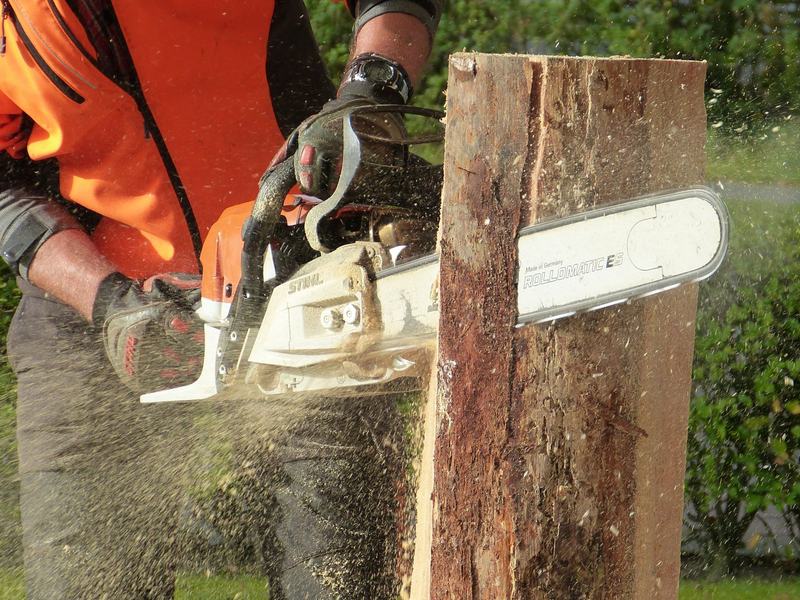
Waterloo tree removal can be done in several seasons, but frozen ground and dormant trees often make winter a good choice. Safety and access still decide the schedule.
Late winter is commonly a good time for routine removal. Deciduous trees have no leaves, so the crown is easier to inspect and lighter to handle. Frozen or firm ground can also reduce lawn damage from trucks and equipment.
Snow, ice, short daylight, and extreme cold can stop work. A crew should not climb during freezing rain or when branches are glazed with ice. Winter is a scheduling advantage, not a reason to ignore unsafe conditions.
Waterloo yards can stay soft after snowmelt and spring rain, especially near low ground and the Cedar River floodplain. Heavy equipment may leave deep ruts. Ask if the contractor uses ground mats or will wait for firmer soil.
Spring is also when trees leaf out and birds begin nesting. If the tree is not an immediate hazard, ask the contractor to inspect for active nests and check current wildlife guidance before cutting.
Summer removal is possible when the ground is dry enough and temperatures are safe. A full crown can make a tree heavier and hide dead branches, so the crew may need more rigging and extra cleanup.
Thunderstorms, straight-line winds, and tornadoes can create sudden demand. The National Weather Service Quad Cities office records severe weather for northeast Iowa, including the Waterloo area. After a storm, emergency hazards are handled before routine removals.
Fall can be a good time to inspect trees after leaves drop and before regular winter snow. It is also a practical season to schedule removal before a weak tree faces ice and high wind.
Do not wait if the tree has a fresh crack, hanging limb, lifted roots, or a trunk leaning farther than before. A dangerous tree should be assessed promptly in any month.
Waterloo soils vary, but many local yards contain fine-textured, moisture-holding soils that become soft when wet and hard when dry. Iowa State University Extension recommends avoiding work that compacts wet soil. A responsible crew should discuss access, mats, and where equipment will travel.
The best date is one with safe weather, firm access, and a clear work area. Move vehicles, patio furniture, children's toys, and loose items before the crew arrives. Keep people and pets away from the drop zone.
Routine winter and early-spring appointments can fill after storm seasons. Get an inspection and written estimate ahead of time, especially for a large tree near a house, driveway, sidewalk, or utility line.
If a storm has damaged the tree, do not start cutting the hanging limbs yourself. Take photos from a safe distance, call the utility when lines are involved, and ask the contractor how the site will be secured.
Also in our network: Best Time for Tree Removal in Rockford, IL, Best Time for Tree Removal in Davenport, Iowa.
Send us a few details and a photo and we will get you a free quote.
Get my free quote WATERLOO